


In 1991, Uganda was still finding its footing. The headlines belonged to war in the north, economic recovery efforts, constitutional reform and a nation emerging from years of turmoil. Banking stories rarely made the front pages, and few journalists specialised in business reporting.
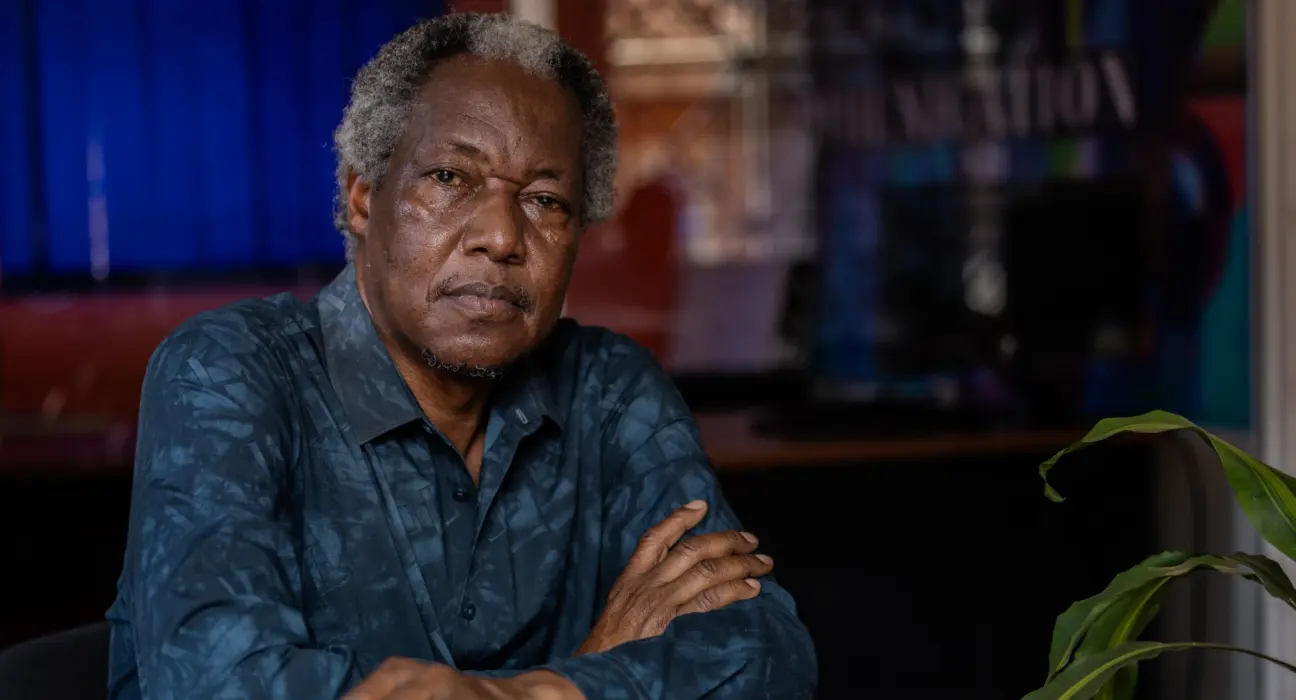
Among the stories that passed largely unnoticed was the arrival of Standard Bank Group through its acquisition of Grindlays Bank. For Michael Wakabi, then a young freelance reporter (and today a communications strategist with a leading public relations firm), it seemed like a routine corporate transaction in an era crowded with more urgent news.
Yet, viewed through the lens of 35 years, it was something more consequential: a rare vote of confidence in a country many investors still considered uncertain. As Stanbic Bank marks 35 years since its entry, Wakabi reflects on Uganda of 1991and the long-term bet that would help shape the country’s financial future.
What were the major stories making the headlines in 1991?
The war in northern Uganda and the government’s effort to repair the economy. Shortly after President Yoweri Museveni came to power in 1986, the Lord’s Resistance Army, a rebel outfit led by Joseph Kony, launched a rebellion against his government. By 1991, the war had been going on for five years, with no sign that it was going to end soon.
I was in my twenties at the time, and as far as I can remember, the war story dominated the news as the rebels carried out attacks on civilians, with the government army pursuing them. Travelling to northern Uganda was risky, and economic activity was disrupted as people ended up in internally displaced people’s camps.
Away from the theatre of war, in Kampala, there was some excitement about the potential economic recovery and the prospects it represented. During this time, there was a proliferation of small media houses, especially newspapers, with many journalists seeking to tell Uganda’s story of recovery.
There was extensive reporting on the commission of inquiry into past human rights violations and the constitution-making process. The government was pursuing economic reforms, but recovery was slow.
What did the banking industry look like at the time?
We had banks that were downsizing and closing branches in major towns like Jinja and concentrating in Kampala as they lost faith in the economic future of Uganda. There were also banks that had been in the country for some time and were leaving. One such financial institution was Grindlays Bank.
At the same time, surprisingly, Standard Bank Group decided to enter the market by acquiring Grindlays, which was exiting Uganda. In South Africa, Nelson Mandela had been released from prison after spending 27 years in jail, and businesses like Standard Bank Group were looking to expand their influence in Africa and looking for ways to contribute to the economic progress of the continent.
What did you make of the decision by Standard Bank Group?
I thought it was a bold decision to enter the Ugandan market when the future was not guaranteed. Looking back, today, I now appreciate that it was a show of great faith in the Ugandan economy. It showed the bank was committed to Uganda and was probably going to be here forever.
How was the story of the acquisition reported in the media?
There wasn’t much reporting about it in the media, something you can validate by trying to do a desktop search on the internet today – not much will come up in the search results.
Part of the reason for this is that there were no journalists dedicated to business journalism at the time. We reported everything of interest to the public, such as the war, the commission of inquiry into past human rights violations and the constitution-making process.
We learnt of the acquisition later as the banking crisis worsened, forcing the Bank of Uganda to close some banks. Uganda Commercial Bank was one of the banks that was struggling, but it was being propped up by government bailouts. However, later the government realised that UCB had no business being in business.
What followed?
Much later – like a decade after its entry in Uganda, that is around 2002, UCB was acquired by the Standard Bank Group as part of the government’s wider privatisation agenda. The transaction stirred sharp public debate, there were those in support of the decision, as well as strong opposition to the move. Even today, 35 years later, that debate occasionally crops up.
From your perspective as a reporter, what did you think of the transaction?

I thought – and still think – that Standard Bank Group’s decision to take on the risky UCB and its commitment to restructure and turn it around showed that it was dedicated to the long-term development of Uganda and was here to stay.
Looking at what they have been able to do, I think they have kept their side of the bargain.
Today, Stanbic is a market leader with a purpose that speaks to an institution committed to Uganda’s economic present and future.
This can be seen through its loan book investment in productive sectors, such as agriculture, manufacturing, infrastructure, trade and energy. It has broken financial barriers for women entrepreneurs, brought unbanked rural folks into the formal banking system through unsecured, low-interest loans to savings organisations, helped businesses transition from informal to formal enterprises, and equipped young people with entrepreneurship and innovation skills.
Through these interventions, the bank has transformed the lives of many Ugandans. On the part of the government, the merger was a statement of intent and commitment to reforming and building a stable financial sector.
What could have happened if the government had lost the argument to sell UCB?
Terrible things could have happened, and today’s success story that Stanbic is wouldn’t have seen the light of day. The decision to get a bank to merge with Stanbic was driven by the need to support the development of a sound banking sector.
Any fair observer at the time will tell you that UCB was weak, and the government had stopped bailing it out with taxpayers’ money because it was unsustainable. If the merger had not happened, the bank would probably have collapsed, with serious consequences for other banks and the entire economy.
The government would probably have continued to dig deeper into the pockets of taxpayers to sustain a bank that should not be in the market.
It’s 35 years today, looking ahead, what is your outlook for the next three decades?
Both the government and the bank have a good reason to celebrate the 35-year milestone. The government has been proven right, and Stanbic’s bet on Uganda has also paid off. In 2006, the bank went public, listing a portion of its business on the stock market – it’s been 20 years of creating shared value for its shareholders.
Customers continue to enjoy first-class financial services and advisory services, leveraging the bank’s attachment to Standard Bank Group. Many Ugandans have built careers in banking at Stanbic, rising through the ranks all the way to leading many of the current banks.
Looking ahead, there is a new challenge which also presents an opportunity – the government’s aspiration to grow the economy tenfold by 2040, from USD50 billion to USD 500 billion means Stanbic has a fresh opportunity to put its purpose in action – driving Uganda’s growth. It is a story that could easily be buried by more exciting headlines, as was the case in 1991, but one not to be missed by any serious business reporter today.