
Stanbic Bank Uganda has announced a transformative partnership with FinCom Technologies, the creators of the SchoolPay platform, to deliver the first fully digital lending solution for schools in the country.
The collaboration gives thousands of private education institutions immediate access to pre-scored, cashflow-aligned financing, directly through a platform they already use to manage fees.
The initiative represents a significant leap forward in the modernisation of education finance, an area long constrained by manual processes, delayed credit assessments, and the financial aftershocks of the Covid-19 crisis.
The SchoolPay platform currently serves more than 15,000 schools and processes over half of all private-sector tuition payments in Uganda. Through this integration, Stanbic Bank becomes the first financial institution to embed a credit functionality into the platform, reinforcing its leadership in the education banking space.
Strategic purpose: Rebuilding and strengthening Uganda’s education engine
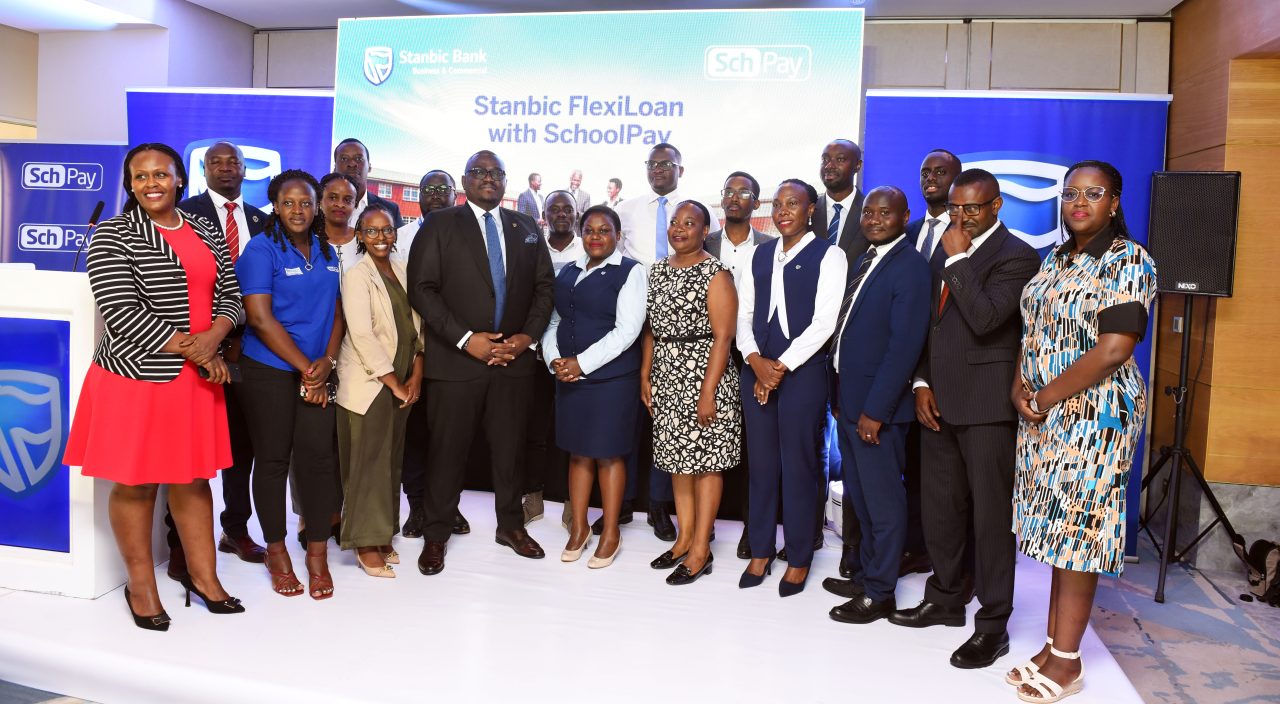
Stanbic Bank framed the partnership as part of a deliberate national development agenda, signalling a shift in how financial institutions support vital social sectors.
At the height of the Covid-19 pandemic, Uganda’s schools endured nearly two years of closure, one of the longest globally. While many institutions survived through resilience and community support, financial recovery has remained uneven.
Speaking at the launch, Tunde Thorpe, Executive Head of Business and Commercial Banking at Stanbic Bank Uganda, said the partnership is designed to address this gap by removing longstanding barriers to credit.
“For nearly two years during the Covid-19 shutdown, Uganda’s schools faced unprecedented financial strain. Many institutions are still recovering. This partnership allows us to extend credit in a way that is simple, digital, and aligned with the real cashflow patterns of schools,” Thorpe said.
“By leveraging technology to increase access to affordable finance, we are strengthening the very institutions that shape the country’s future,” Tunde added.
Schools will now be able to secure financing of up to shs 1 billion without visiting a branch, monitor loan status in real time, and eliminate delays associated with traditional paper-based loan processes.
For many headteachers and school proprietors, this marks an unprecedented shift from slow, manual lending workflows to a system that is immediate, transparent, and predictable.
Technology as an equaliser
FinCom Technologies Board Chairman, Mr Joseph Ndiho, emphasised that the partnership is at the heart of FinCom’s mission to use technology to address structural challenges.

“This partnership marks an important step in our mission to build technology that solves real challenges. Together with Stanbic Bank, we are making credit more accessible, fully digital, and aligned with the day-to-day realities of school operations,” Ndiho said.
He noted that digitising school finance goes beyond convenience, creating financial visibility, reducing leakages, and supporting better long-term planning—critical factors for institutions that employ thousands of teachers, support staff, and local suppliers.
Harriet Senkaali, the Commissioner for Private Schools and Institutions in the Ministry of Education, welcomed the partnership as an innovation that will expand both efficiency and accountability.
“Digital tools like SchoolPay have improved financial transparency in our schools. Integrating affordable, timely credit into the same platform is a natural and welcome progression. We commend Stanbic Bank and Schoolpay for providing solutions that support better learning environments and institutional stability.”
She underscored the ministry’s commitment to enabling the digital transformation of private education, which serves a substantial portion of the country’s learners.
A milestone in Stanbic’s positive impact journey
The partnership is anchored in Stanbic Bank’s Positive Impact Framework, which integrates financial inclusion, enterprise development, infrastructure investment, climate resilience, and social investment into its core strategy.
By enabling schools to access the capital required to upgrade classrooms, expand ICT facilities, improve sanitation, or stabilise operating budgets, the initiative directly strengthens the human capital foundations of the country.
Stanbic Bank, which this year marks 35 years of driving Uganda’s growth, said it will continue to prioritise sectors that are essential to national competitiveness.
Education, the bank noted, remains one of the most critical engines of inclusive development and economic resilience.